
Epoxy Garage Floor Installation – Preparation, Process & Common Mistakes
Garage floors across Rock Hill undergo dramatic changes when property owners discover the power of epoxy coatings. These remarkable surfaces convert ordinary concrete into stunning, durable floors that withstand heavy traffic and resist stains. The growing popularity of epoxy garage floor installation reflects homeowners’ desire for both function and beauty in their work spaces.
Professional installation requires careful attention to detail and proper technique. Many property owners underestimate the complexity involved in creating long-lasting epoxy floors. Each step demands precision, from initial surface preparation through final curing. Small errors during any phase can compromise the entire project.
Rock Hill’s climate presents unique challenges for epoxy installations. High humidity, temperature fluctuations, and seasonal weather patterns affect every aspect of the process. Understanding these local conditions helps property owners make informed decisions about timing and materials.
This guide walks readers through the complete installation process while highlighting areas where professional expertise makes the difference between success and failure. Property owners gain valuable insights into preparation requirements, application techniques, and critical mistakes that can destroy otherwise perfect installations.
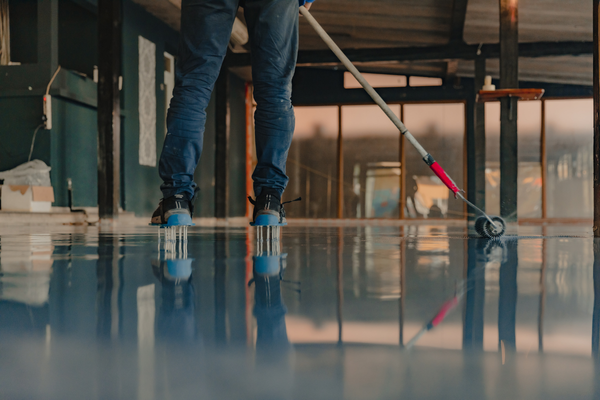
Table of Contents
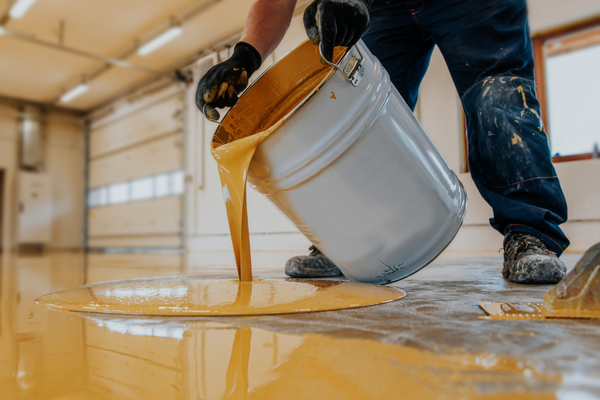
Planning Your Epoxy Garage Floor Project
Project Assessment
Successful epoxy installations begin with thorough project assessment. Garage size affects material quantities, working time, and application strategies. Large spaces require careful planning to maintain wet edges during application, while smaller areas demand quick, efficient work to prevent overlap marks.
Existing floor conditions determine preparation requirements and material choices. Heavily stained concrete needs extensive cleaning and possible repair work. Smooth surfaces require mechanical profiling to accept epoxy properly. Age and quality of existing concrete influence primer selection and application methods.
Rock Hill’s humid subtropical climate creates specific timing considerations for epoxy projects. Summer months bring high humidity that can interfere with proper curing. Winter installations face temperature challenges that affect material flow and adhesion. Spring and fall often provide ideal conditions with moderate temperatures and lower humidity levels.
Timeline planning must account for weather windows, material delivery, and adequate preparation time. Rushed installations frequently result in poor adhesion and early failure. Smart property owners schedule projects during stable weather periods and allow extra time for unexpected delays.
Budget considerations extend beyond material costs to include proper tools, safety equipment, and potential professional consultation. Quality materials cost more initially but provide superior performance and longevity. Cutting corners on preparation or materials often leads to expensive repairs or complete reinstallation.
Material Selection
Various epoxy systems serve different performance requirements and aesthetic preferences. Water-based formulations offer easier cleanup and lower odor but may lack durability for heavy-duty applications. Solvent-based systems provide superior chemical resistance and adhesion but require more ventilation and safety precautions.
Color and finish options range from clear coatings that highlight concrete’s natural appearance to decorative systems with metallic effects or color flakes. Popular choices in Rock Hill include neutral grays and beiges that complement home exteriors. Bold colors work well for workshop areas where bright, cheerful surfaces improve working conditions.
Essential tools include proper mixing equipment, application rollers or squeegees, and surface preparation machinery. Professional-grade tools produce better results than consumer alternatives. Rental equipment often provides access to commercial-quality machinery without large purchase commitments.
Quality versus budget decisions impact long-term satisfaction and performance. Premium materials may cost twice as much as economy options but often last three times longer. Professional installers understand which products perform well in specific applications and can guide material selection accordingly.
Professional versus DIY decisions require honest assessment of skills, time availability, and risk tolerance. Complex installations with decorative elements or challenging substrate conditions benefit from professional expertise. Simple single-color applications over well-prepared surfaces may suit experienced DIY enthusiasts.
Safety Preparation
Proper ventilation prevents dangerous fume accumulation during application and curing. Cross-ventilation with fans moves air through the work space effectively. Respirators provide additional protection, especially in confined spaces or when using solvent-based materials.
Personal protective equipment includes chemical-resistant gloves, safety glasses, and non-slip footwear. Epoxy materials can cause skin irritation and eye damage. Quality protective gear prevents exposure and allows comfortable work throughout the installation process.
Chemical handling precautions prevent accidents and ensure proper material performance. Storage temperatures affect mixing characteristics and working time. Contaminated materials from improper handling can cause application problems or poor adhesion.
Work area safety setup includes clear escape routes, adequate lighting, and organized tool placement. Wet epoxy creates slippery conditions that can cause serious falls. Emergency procedures should address chemical spills, power failures, and medical emergencies.
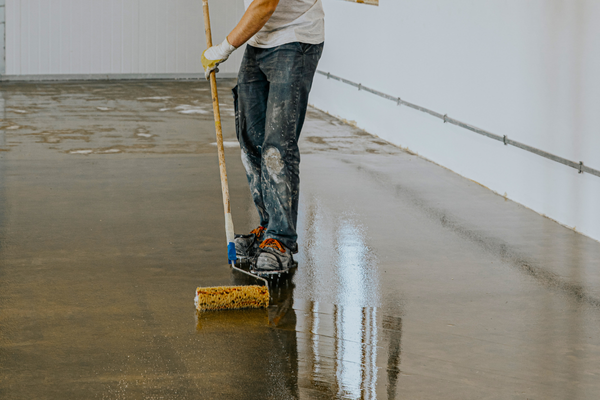
Surface Preparation – The Foundation of Success
Initial Cleaning Phase
Oil stain removal requires aggressive treatment with specialized degreasers and mechanical scrubbing. Common garage floor contaminants include automotive fluids, fertilizers, and road salt. These substances penetrate concrete pores and prevent proper epoxy adhesion if not completely removed.
Grease and chemical contamination cleanup involves multiple cleaning cycles with industrial-strength products. Simple mopping cannot remove embedded contaminants that have accumulated over years. Steam cleaning or pressure washing may be necessary for heavily contaminated surfaces.
Dust and debris elimination includes sweeping, vacuuming, and final tack cloth wiping. Even small particles can create surface defects in the finished coating. HVAC systems should be turned off during cleaning to prevent air circulation that redistributes dust.
Deep cleaning methods vary depending on contamination type and severity. Alkaline cleaners work well for organic soils, while acid-based products remove mineral deposits and efflorescence. Multiple cleaning steps may be required to achieve the cleanliness levels necessary for proper adhesion.
Concrete Assessment and Repair
Crack identification reveals structural issues that must be addressed before coating application. Active cracks that continue to move will telegraph through any coating system. Dormant cracks can be filled and sealed to prevent moisture intrusion and coating failure.
Surface defect correction includes filling holes, smoothing rough areas, and leveling uneven sections. Self-leveling compounds create smooth surfaces for decorative coatings. Patching materials must be compatible with the epoxy system and cure completely before coating application.
Moisture testing procedures identify concrete that is too wet for epoxy application. Plastic sheet tests and calcium chloride testing measure moisture vapor transmission rates. High moisture levels require extended drying time or moisture-blocking primer systems.
Structural integrity evaluation determines whether the substrate can support epoxy coatings long-term. Weak or deteriorating concrete may require repair or replacement before coating installation. Professional assessment prevents coating failures caused by substrate problems.
Mechanical Surface Preparation
Grinding versus acid etching comparison reveals different approaches to surface profiling. Diamond grinding creates consistent surface texture and removes surface contaminants effectively. Acid etching costs less but may not provide adequate profile on hard concrete or remove all contaminants.
Diamond grinding techniques include multiple passes with progressively finer grits to achieve proper surface profile. Dust control during grinding protects both workers and surrounding areas from silica exposure. Proper technique creates uniform texture across the entire floor surface.
Surface profile requirements vary depending on the epoxy system and expected performance. Light-duty applications may require only basic profiling, while heavy-duty industrial coatings need aggressive surface preparation. Manufacturers specify profile requirements for their products.
Dust control during preparation prevents contamination of freshly profiled surfaces. Vacuum systems attached to grinding equipment capture dust at the source. Final cleanup removes all residual dust that could interfere with primer or coating adhesion.
Final Preparation Steps
Surface cleanliness verification includes visual inspection and tactile testing. Clean concrete should appear uniform in color without any visible contamination. The surface should feel consistently rough to the touch, indicating proper profile development.
Moisture content testing confirms that concrete is ready for coating application. Electronic moisture meters provide quick readings, while plastic sheet tests give more accurate long-term measurements. High readings require additional drying time before proceeding.
Temperature and humidity checks determine whether environmental conditions are suitable for application. Most epoxy systems require temperatures between 60-85°F and relative humidity below 85%. Extreme conditions can cause application problems or poor curing.
Primer application readiness includes having all materials, tools, and personnel ready to begin. Once primer application starts, the process must continue without significant delays. Proper planning prevents delays that could compromise the installation.

Professional Installation Process Breakdown
Primer Application
Primer selection depends on substrate conditions and the specific epoxy system being used. Penetrating primers work well on porous concrete, while barrier primers suit dense or problematic surfaces. Some systems use the base coat material as a primer for better compatibility.
Mixing ratios and techniques require precise measurement and thorough blending. Electronic scales provide accurate measurements for consistent results. Mixing procedures vary between products, with some requiring specific mixing speeds or techniques to prevent air incorporation.
Application methods include roller, brush, or spray application depending on surface conditions and primer type. Coverage rates must be maintained within manufacturer specifications for proper performance. Thin areas may allow substrate problems to affect the topcoat.
Drying time and conditions affect primer penetration and adhesion development. Temperature and humidity influence drying rates significantly. Adequate drying time allows proper chemical bonding while preventing over-drying that reduces topcoat adhesion.
Quality inspection checkpoints include coverage verification, surface preparation adequacy, and environmental condition monitoring. Top Flight Garage Floor technicians check these factors regularly throughout the process to maintain installation quality.
Base Coat Installation
Product mixing procedures require careful attention to ratios and blending techniques. Most epoxy systems use two-component formulations that begin curing immediately after mixing. Working time limitations demand efficient application to maintain material workability.
Temperature considerations during mixing affect material flow and working characteristics. Cold materials become thick and difficult to apply smoothly. Warm materials may cure too quickly, creating application problems and surface defects.
Application technique and patterns create uniform coverage and attractive appearance. Systematic approaches prevent missed areas and visible overlap marks. Experienced applicators develop efficient patterns that maximize coverage while maintaining quality.
Coverage rate management requires precise material calculation and consistent application thickness. Too little material creates thin spots that wear prematurely. Excess material can create thickness variations and appearance problems.
Working time limitations vary with temperature, humidity, and specific product formulations. Hot conditions accelerate curing and reduce working time significantly. Cold conditions extend working time but may affect final properties if curing is too slow.
Decorative Elements
Color flake application timing requires precise coordination with base coat installation. Flakes must be broadcast while the base coat is still tacky but not wet. Too early application may cause flakes to sink, while late application prevents proper adhesion.
Broadcast techniques affect flake distribution and final appearance. Even distribution requires consistent throwing motion and overlap patterns. Dense coverage creates solid color appearance, while lighter coverage allows base coat color to show through.
Coverage density options range from light dusting to full coverage depending on desired appearance. Partial coverage creates subtle texture and slip resistance. Complete coverage provides solid color with maximum durability and stain resistance.
Special effects and patterns include metallic pigments, colored quartz, and custom flake blends. These materials add visual interest and can hide minor surface imperfections. Professional applicators understand how different materials interact and affect final appearance.
Topcoat Application
Topcoat selection criteria include appearance, durability, and maintenance requirements. Clear topcoats protect decorative elements while maintaining their appearance. Pigmented topcoats add color and may hide minor base coat imperfections.
Application timing after base coat depends on surface tackiness and environmental conditions. Most systems require recoating within specific time windows for proper adhesion. Missing these windows may require additional preparation before topcoat application.
Technique for smooth finish includes proper tool selection and application patterns. Light, even pressure prevents drag marks and maintains uniform appearance. Multiple light coats often produce better results than single heavy applications.
Multiple coat considerations include build-up thickness and appearance uniformity. Each coat must be applied within the recoat window for proper adhesion. Excessive thickness can cause flexibility problems and premature failure.
Final inspection procedures verify coverage, appearance, and surface defects. Any problems should be addressed immediately while materials are still workable. Touch-up work becomes much more difficult after full curing.
Curing Process
Initial cure time requirements prevent premature traffic and damage to the developing coating. Most epoxy systems reach handling strength within 12-24 hours but require longer for full cure development. Temperature affects curing rates significantly.
Environmental control during curing maintains optimal conditions for proper chemical cross-linking. Extreme temperatures or humidity can prevent proper curing and affect final properties. Heating or air conditioning may be necessary during unfavorable weather.
Traffic restrictions and timelines protect the developing coating from damage. Light foot traffic may be allowed before heavy loads or vehicles. Rolling loads create different stresses than static loads and may require longer cure times.
Full cure expectations typically range from 3-7 days depending on the system and environmental conditions. Full chemical and physical properties develop gradually during this period. Premature loading can cause permanent damage even if no immediate effects are visible.
Post-installation care instructions help property owners protect their investment during the critical curing period. Simple precautions prevent damage that could require expensive repairs. Top Flight Garage Floor provides detailed care instructions for each installation.
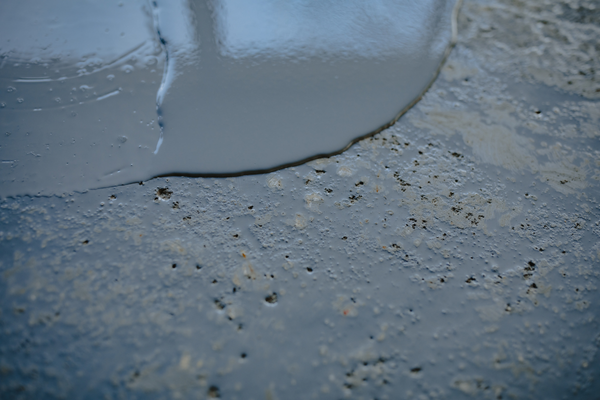
Costly Mistakes That Ruin Epoxy Installations
Preparation Shortcuts
Inadequate cleaning consequences include poor adhesion and premature coating failure. Surface contaminants create weak spots that spread over time. Even small contaminated areas can compromise entire installations if not properly addressed.
Skipping surface profiling prevents proper mechanical adhesion between coating and substrate. Smooth concrete cannot develop the bond strength necessary for long-term performance. This mistake often results in wholesale coating delamination within months.
Moisture-related failures occur when concrete contains too much water during application. Trapped moisture can cause bubbling, poor adhesion, and coating disbondment. These problems may not appear immediately but develop over time as moisture migrates.
Contamination issues arise from inadequate protection of prepared surfaces between cleaning and coating application. Dust, oils, or other materials that settle on clean concrete create adhesion problems. Timing coordination prevents most contamination issues.
Mixing and Application Errors
Incorrect mixing ratios prevent proper chemical reactions and curing. Too little hardener creates soft, sticky surfaces that never fully cure. Excess hardener can cause brittleness and poor adhesion. Digital scales prevent most ratio problems.
Poor mixing technique problems include incomplete blending and air incorporation. Inadequate mixing leaves unmixed portions that cure differently or not at all. Excessive mixing speed incorporates air that creates surface defects.
Temperature-related application issues affect material flow and working characteristics. Cold materials become too thick for proper application. Hot conditions accelerate curing beyond workable limits. Material conditioning prevents most temperature problems.
Coverage rate mistakes include both insufficient and excessive material application. Thin coverage creates weak spots and premature wear. Thick application can cause curing problems and surface defects. Careful measurement prevents coverage errors.
Working time miscalculations result in materials curing before application is complete. Mixed materials have limited working time that varies with temperature and humidity. Proper planning and efficient application prevent working time problems.
Environmental Control Failures
Humidity and temperature problems during application and curing cause numerous defects. High humidity can prevent proper curing and cause surface cloudiness. Extreme temperatures affect material properties and application characteristics.
Ventilation inadequacies create safety hazards and may affect coating performance. Poor air circulation allows solvent buildup and extends drying times. Proper ventilation removes harmful vapors and promotes proper curing.
Dust contamination during application creates surface defects and appearance problems. Airborne particles settling on wet coatings become permanently embedded. Air filtration and environmental control prevent most contamination.
Weather-related timing errors include starting installations before storms or during unfavorable conditions. Sudden weather changes can ruin otherwise perfect installations. Weather monitoring and flexible scheduling prevent most weather-related problems.
Timing and Sequence Mistakes
Rushing between coats prevents proper adhesion between layers. Each coat must cure to the proper stage before the next application. Premature recoating can cause delamination and coating failure.
Inadequate cure time allowances before traffic exposure damage developing coatings. Even light traffic can create permanent damage during early curing stages. Patient property owners achieve better long-term performance.
Traffic introduction too early creates damage that may not be immediately visible but affects long-term durability. Chemical cure continues for days after initial hardening. Premature loading can cause micro-cracking and reduced service life.
Maintenance timing errors include cleaning too aggressively during early curing or waiting too long to address problems. Proper maintenance timing protects the coating while addressing issues before they become serious.

Conclusion and Next Steps
Epoxy garage floor installation complexity demands careful attention to preparation, application, and curing processes. Each step builds upon previous work, making thoroughness and precision critical for success. Property owners who understand these requirements make better decisions about professional versus DIY installation.
Proper preparation and technique separate successful installations from expensive failures. Many years of experience have taught Top Flight Garage Floor that small details often determine long-term performance. Professional installers understand these critical factors and apply them consistently.
Professional installation benefits include expertise, proper equipment, and warranty protection. Experienced contractors understand local conditions and adjust techniques accordingly. Rock Hill property owners gain peace of mind knowing their floors will perform as expected.
Top Flight Garage Floor brings extensive expertise to every epoxy garage floor installation in Rock Hill. Their team understands the complexities involved and has the tools and knowledge to handle challenging conditions. Property owners interested in professional garage floor coatings or custom epoxy designs can contact the experts for consultation and detailed estimates. Learn more about their complete services at Top Flight Garage Floor.